 Dandelion
 Blog
Food Allergy vs Food Intolerance: What’s the Difference?
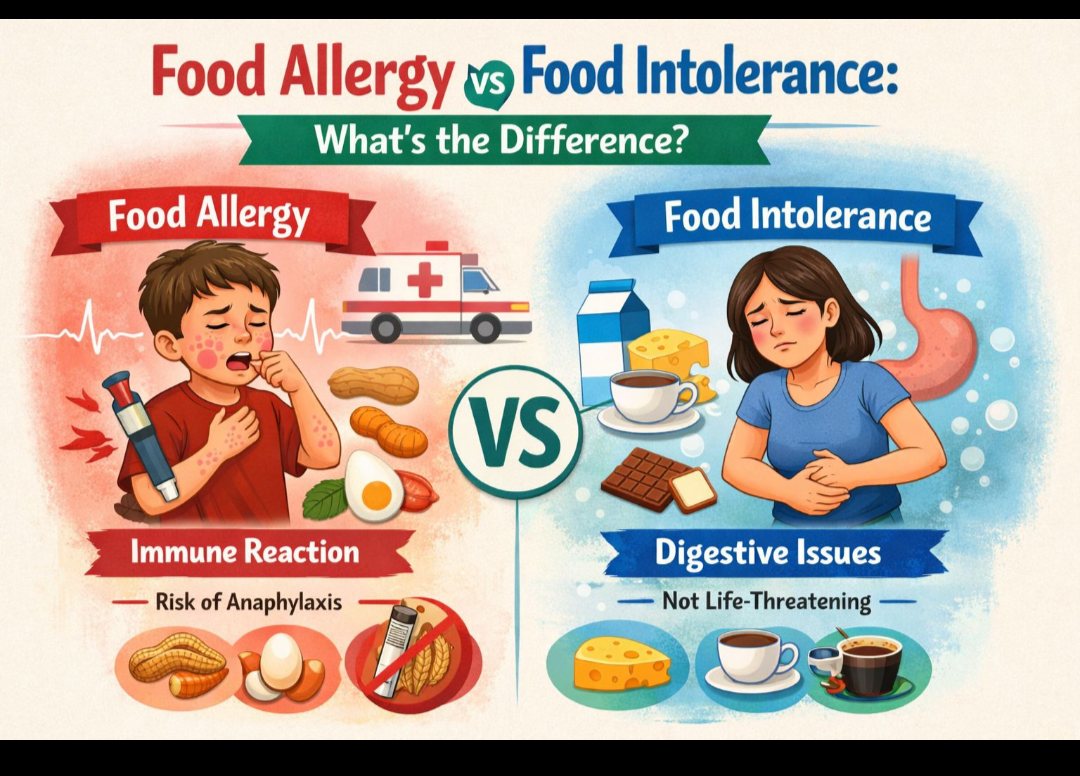
Many people say they have a “food allergy,” but not all reactions to food are true allergies. Understanding the difference between a food allergy and a food intolerance is important, because the risks, testing, and treatment are very different.
What Is a Food Allergy?
A food allergy involves the immune system, specifically IgE antibodies. When someone with a food allergy eats even a small amount of the trigger food, their immune system reacts quickly.
Common symptoms of food allergy may include:
- Hives or itchy rash
- Swelling of the lips, tongue, face, or throat
- Vomiting or diarrhea shortly after eating
- Coughing, wheezing, or trouble breathing
- Dizziness or fainting
⚠️ Severe reactions (anaphylaxis) can be life-threatening and require immediate treatment with epinephrine.
Common food allergens include:
- Peanut, tree nuts
- Milk, egg
- Wheat, soy
- Fish and shellfish
How Is a Food Allergy Diagnosed?
Food allergies are diagnosed based on:
- A detailed clinical history
- Skin prick testing and/or blood testing
- In some cases, a supervised oral food challenge
Testing is only helpful when results match symptoms - testing without symptoms often leads to false positives.
⸻
What Is a Food Intolerance?
A food intolerance does not involve the immune system. It usually affects digestion and tends to be dose-dependent - small amounts may be tolerated, while larger amounts cause symptoms.
Common symptoms of food intolerance include:
- Bloating or gas
- Abdominal pain
- Diarrhea
- Nausea
- Headache or fatigue
Symptoms are uncomfortable but not life-threatening.
Examples include:
- Lactose intolerance
- Sensitivity to caffeine
- Reactions to food additives or preservatives
Should You Get Tested?
This is a very common question - and the answer depends on your symptoms.
✔ Testing may be appropriate if:
- Symptoms occur quickly after eating
- There are hives, swelling, breathing symptoms, or vomiting
- There is a history of severe reactions
✖ Testing is usually not helpful if:
- Symptoms are delayed or vague
- The main issue is bloating or digestive discomfort
- Multiple foods “feel” problematic without clear reactions
At our clinic, we focus on targeted testing to avoid unnecessary food avoidance and anxiety.
⸻
When Should You See an Allergist?
You should consider seeing an allergist if:
- You’re unsure whether your reaction is an allergy or intolerance
- You’ve been avoiding foods without a clear diagnosis
- Your child has had a concerning reaction to food
- You’ve been prescribed an epinephrine auto-injector and need guidance
⸻
The Bottom Line
Not all food reactions are allergies - but true food allergies can be serious. Getting the right diagnosis helps ensure:
- You’re avoiding foods only when necessary
- You’re properly protected if there is a real allergy
- You’re not missing other treatable causes of symptoms
If you’re unsure, an allergist can help clarify what’s going on and guide safe next steps.
Please note:
We require a referral from your family doctor to schedule a consultation. They can fax the referral to 416-850-9993 or use our referral form under our FAQ page.