 Dandelion
 Blog
Sun Allergy
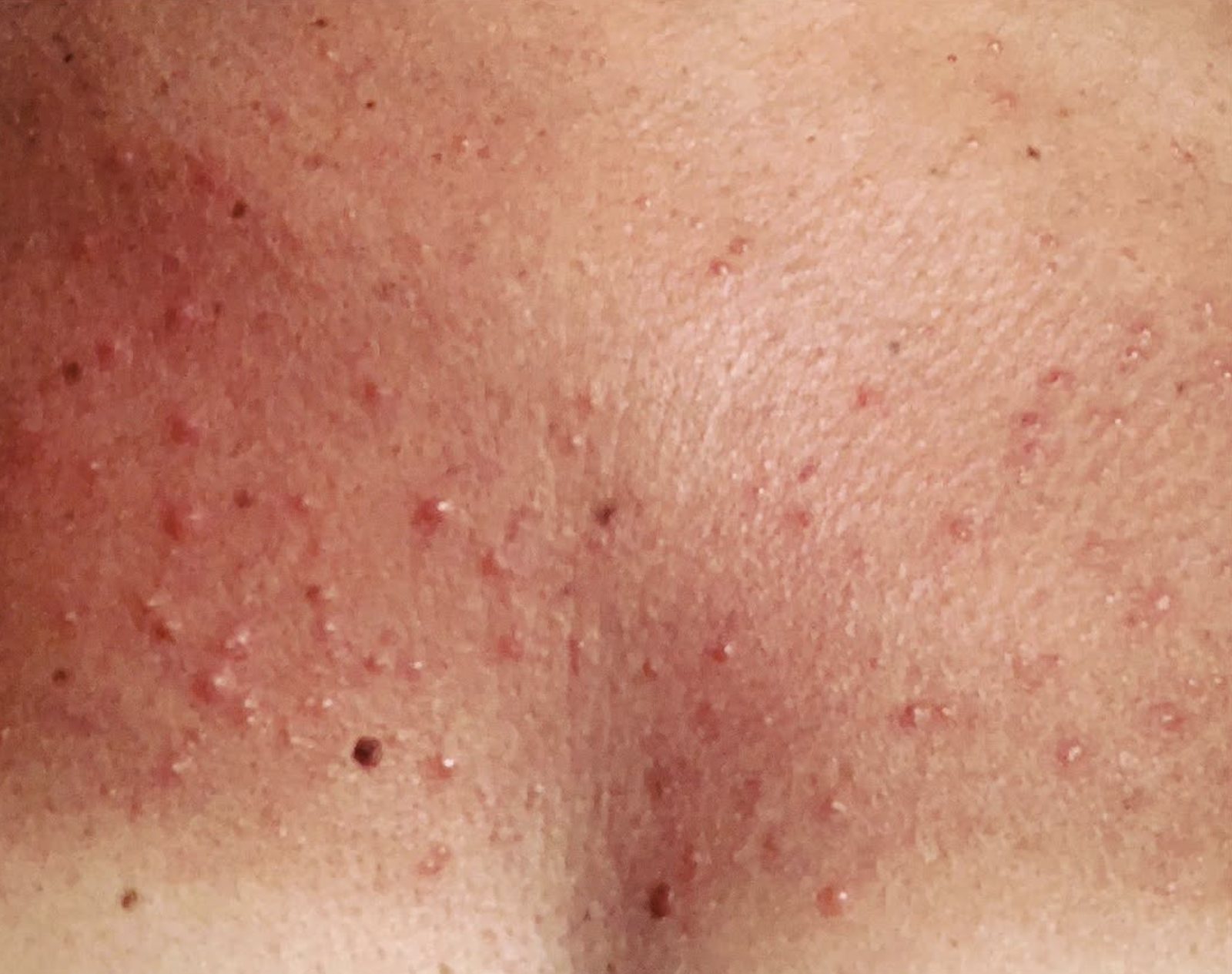
Most people look forward to sunny days - but for some, even a little sun exposure can cause itching, rashes, and discomfort . If that sounds familiar, you might be experiencing a sun allergy , medically known as photosensitivity .
What Is Sun Allergy?
Sun allergy refers to a condition where the skin has an abnormal immune reaction to sunlight , particularly ultraviolet (UV) rays . Unlike a typical sunburn, a sun allergy causes rashes, redness, and bumps. Sometimes even after just a few minutes of sun exposure.
Types of Sun Allergy
There are several forms of sun allergy, including:
1. Polymorphic Light Eruption (PMLE)
- The most common form.
- Appears as itchy red bumps or patches.
- Usually affects the chest, arms, neck, and legs.
- Occurs within hours after sun exposure, especially in spring and early summer.
2. Actinic Prurigo
- A more severe, inherited form of PMLE.
- Can occur in children.
- Lesions are more persistent and may scar.
3. Photoallergic Reaction
- A reaction caused when sunlight interacts with a substance on the skin (like certain medications, perfumes, or sunscreens).
- Delayed reaction may take 24 - 72 hours to appear.
4. Solar Urticaria
- Rare but serious.
- Hives and swelling occur within minutes of sun exposure.
- Can lead to systemic symptoms like dizziness or difficulty breathing.
Symptoms of Sun Allergy
- Itchy red bumps or rashes
- Burning or stinging sensation
- Blisters or hives
- Swelling in sun-exposed areas
- In severe cases, fever or chills
What Causes It?
The exact cause varies, but common triggers include:
- Genetic predisposition (family history)
- Certain medications (e.g. antibiotics, NSAIDs, diuretics)
- Skin care products or cosmetics
- Autoimmune conditions (e.g. lupus)
How Is Sun Allergy Treated?
1. Prevention Is Key
- Wear broad-spectrum sunscreen (SPF 50+) daily.
- Use physical barriers like hats, sunglasses, and long sleeves .
- Avoid sun exposure between 10am - 4pm when UV rays are strongest.
- Gradually increase sun exposure in spring to desensitize skin.
2. Medications
- Antihistamines (for itch and inflammation)
- Topical corticosteroids (for rashes)
- In severe cases, oral corticosteroids or immune-suppressing drugs may be used.
3. Phototherapy
- In recurrent or chronic cases, a treatment called phototherapy can help desensitize the skin by controlled UV exposure under medical supervision.
When to See an Allergist
If you're experiencing unexplained rashes or discomfort after being in the sun, it’s a good idea to consult an allergist or dermatologist. We can help diagnose the condition, rule out other causes, and create a personalized treatment plan to help you enjoy the sun safely.
Final Thoughts
A sun allergy may be frustrating, but it doesn’t mean avoiding sunshine altogether. With the right precautions and guidance, you can still enjoy the outdoors without fear of a flare-up. At Dandelion Allergy Centre , our team is here to help you identify triggers and build a plan that works for your lifestyle.