 Dandelion
 Blog
Dust and Dust Allergies: What You Need to Know
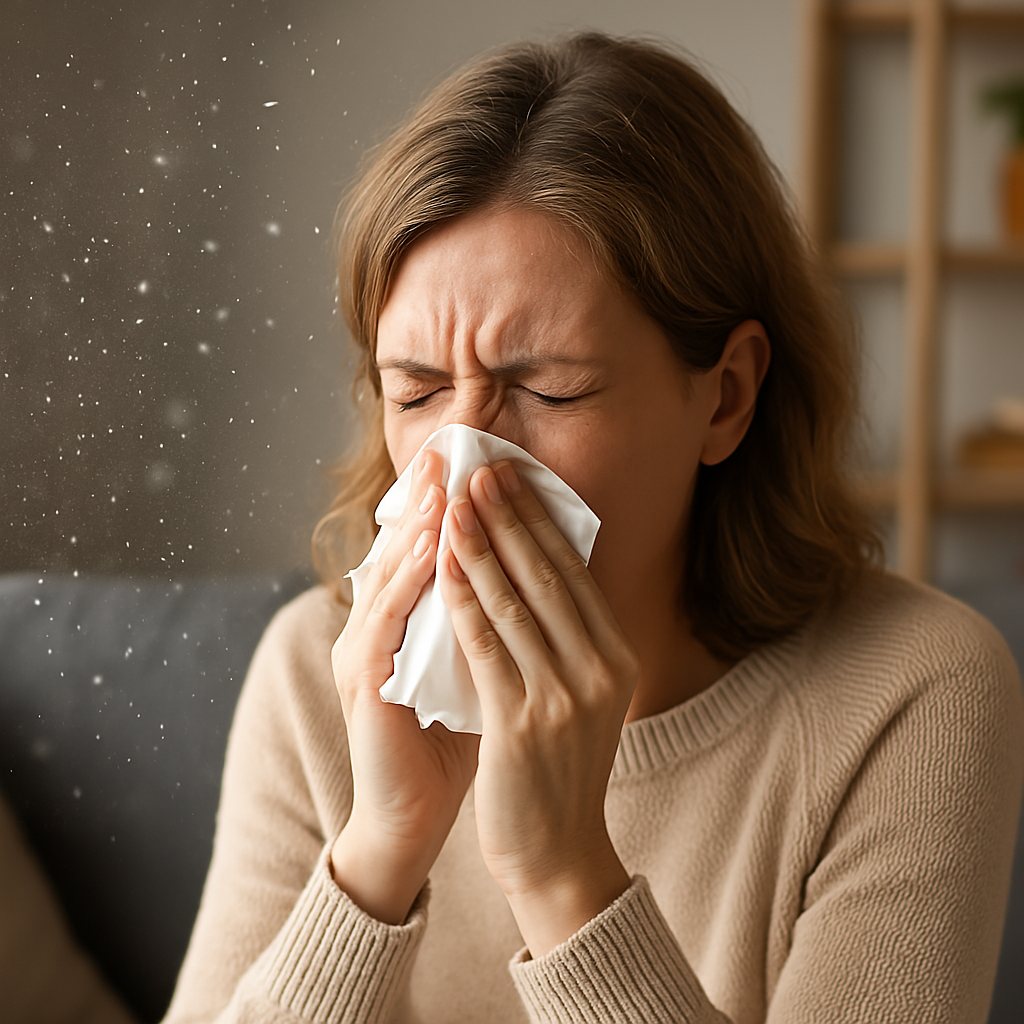
Dust. It is everywhere. On shelves, under furniture, floating through the air in a sunbeam. For many people, it is more than just an annoying chore to clean. If you find yourself sneezing, coughing, or dealing with itchy eyes regularly, dust allergies might be the reason.
Here is a closer look at what dust actually is, why it causes allergies, and what you can do about it.
What is Dust?
Dust is not just dirt. It is a mix of many things found in your living space. Common components of dust include:
- Dead skin cells
- Fabric fibers
- Pollen
- Pet dander
- Mold spores
- Insect parts
- Dust mites and their waste
This combination makes dust a perfect storm for triggering allergies, especially in sensitive individuals.
What Causes Dust Allergies?
The main culprit behind dust allergies is usually the dust mite . Dust mites are microscopic insects that live in household dust, feeding on dead skin cells. While they are harmless in themselves, their waste and body parts can trigger allergic reactions.
When you breathe in dust, your immune system may mistake these tiny particles as harmful. It responds by releasing histamines, which lead to symptoms like:
- Sneezing
- Runny or stuffy nose
- Itchy or watery eyes
- Coughing
- Wheezing or shortness of breath
In people with asthma, dust allergies can worsen their symptoms and make breathing more difficult.
How to Reduce Dust and Allergens at Home
You cannot eliminate dust completely, but you can reduce it and manage your exposure. Here are some helpful tips:
1. Vacuum Often Use a vacuum cleaner with a HEPA filter to trap allergens. Vacuum carpets, rugs, upholstered furniture, and even mattresses regularly.
2. Use Allergen-Proof Bedding Encase pillows and mattresses in dust mite-proof covers. Wash your bedding weekly in hot water.
3. Declutter Your Space Dust collects on knick-knacks, books, and unused items. Keeping surfaces clear makes cleaning easier and more effective.
4. Keep Humidity in Check Dust mites thrive in humid conditions. Use a dehumidifier to keep indoor humidity between 30 and 50 percent.
5. Change Air Filters Regularly Replace your HVAC filters according to the manufacturer's instructions. Consider using high-efficiency filters to trap more allergens.
6. Remove Carpeting if Possible Hard flooring is easier to keep dust-free. If you have severe allergies, replacing carpets may make a big difference.
When to See a Doctor
If dust allergy symptoms are interfering with your daily life, consider seeing a healthcare provider. They may recommend allergy testing or prescribe medication such as antihistamines or nasal sprays to help manage your symptoms.
In more severe cases, allergy shots or immunotherapy may be an option.
If you are experiencing symptoms related to dust allergies, have your family doctor send us a referral. Click here (https://drive.google.com/file/d/1kNrsk1uz5Fg8uIFyWRUJEKTJ426KOE4A/view?usp=share_link) to download our referral form if needed to give to your family doctor.