 Dandelion
 Blog
Peanut Allergy
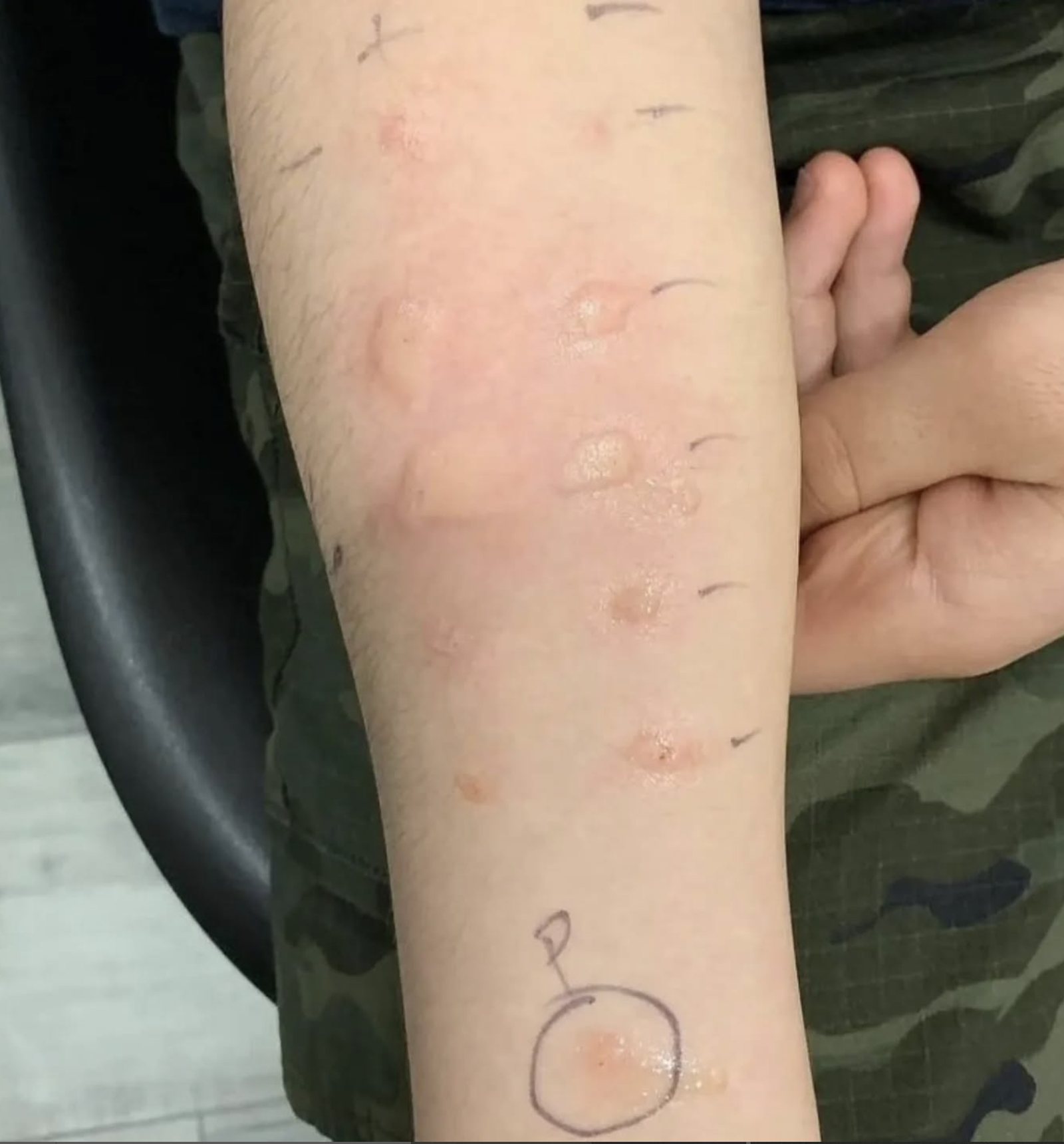
A peanut allergy is one of the most common and potentially serious food allergies, particularly among children. Unlike many other food allergies, peanut allergy often lasts a lifetime and can cause severe, even life-threatening, reactions. But with the right precautions and support, individuals with peanut allergies can manage the condition effectively and lead healthy, fulfilling lives.
What Causes a Peanut Allergy?
Peanut allergy occurs when the immune system mistakenly identifies proteins in peanuts as harmful. This triggers the release of chemicals like histamine, which causes allergy symptoms.
It’s important to note that peanuts are legumes , not tree nuts, but many people with peanut allergies may also react to tree nuts.
Symptoms of a Peanut Allergy
Symptoms can range from mild to severe and typically begin within minutes of exposure. Common reactions include:
- Hives, redness, or swelling of the skin
- Stomach pain, nausea, or vomiting
- Itching or tingling in or around the mouth and throat
- Wheezing, coughing, or difficulty breathing
- Swelling of the lips, face, tongue, or throat
- Dizziness or fainting
In severe cases, a peanut allergy can cause anaphylaxis , a life-threatening reaction that requires immediate emergency treatment with epinephrine.
Diagnosing Peanut Allergy
If a peanut allergy is suspected, an allergist may recommend:
- Skin prick testing
- Blood tests (to measure peanut-specific IgE antibodies)
- Oral food challenge (done under strict medical supervision)
Early diagnosis is crucial to prevent serious reactions and to guide appropriate management.
Managing Peanut Allergy
There is no cure for peanut allergy, but it can be managed through:
1. Strict Avoidance
- Carefully read food labels and avoid foods that contain peanuts or have been processed in facilities that handle peanuts.
- Be cautious when eating out, ask about ingredients and food preparation.
2. Emergency Preparedness
- Always carry an epinephrine auto-injector (e.g., EpiPen).
- Educate family, friends, schools, and caregivers on how to recognize and respond to an allergic reaction.
- Wear a medical alert bracelet if appropriate.
3. Treatment Options
- Oral Immunotherapy (OIT) may be available for certain patients. This involves controlled exposure to small amounts of peanut protein to build tolerance. It must be done under medical supervision.
Living With Peanut Allergy
Although living with a peanut allergy requires vigilance, most people can manage it safely with proper education and planning. It’s important to stay up to date on the latest food allergy research, treatment options, safety practice, and to have regular check-ins with your allergist.
Final Thoughts
At Dandelion Allergy Centre, we understand the impact food allergies can have on your daily life. Our team of board-certified allergists is here to help you or your child navigate diagnosis, management, and treatment options with confidence and compassion.
If you suspect a peanut allergy or want to explore management strategies, don’t hesitate to reach out for a consultation. Have your family doctor send us a referral. Click here (https://drive.google.com/file/d/1kNrsk1uz5Fg8uIFyWRUJEKTJ426KOE4A/view?usp=share_link) link to download our referral form if needed.