 Dandelion
 Blog
Sensitivity vs. Allergy: What’s the Difference and Why It Matters
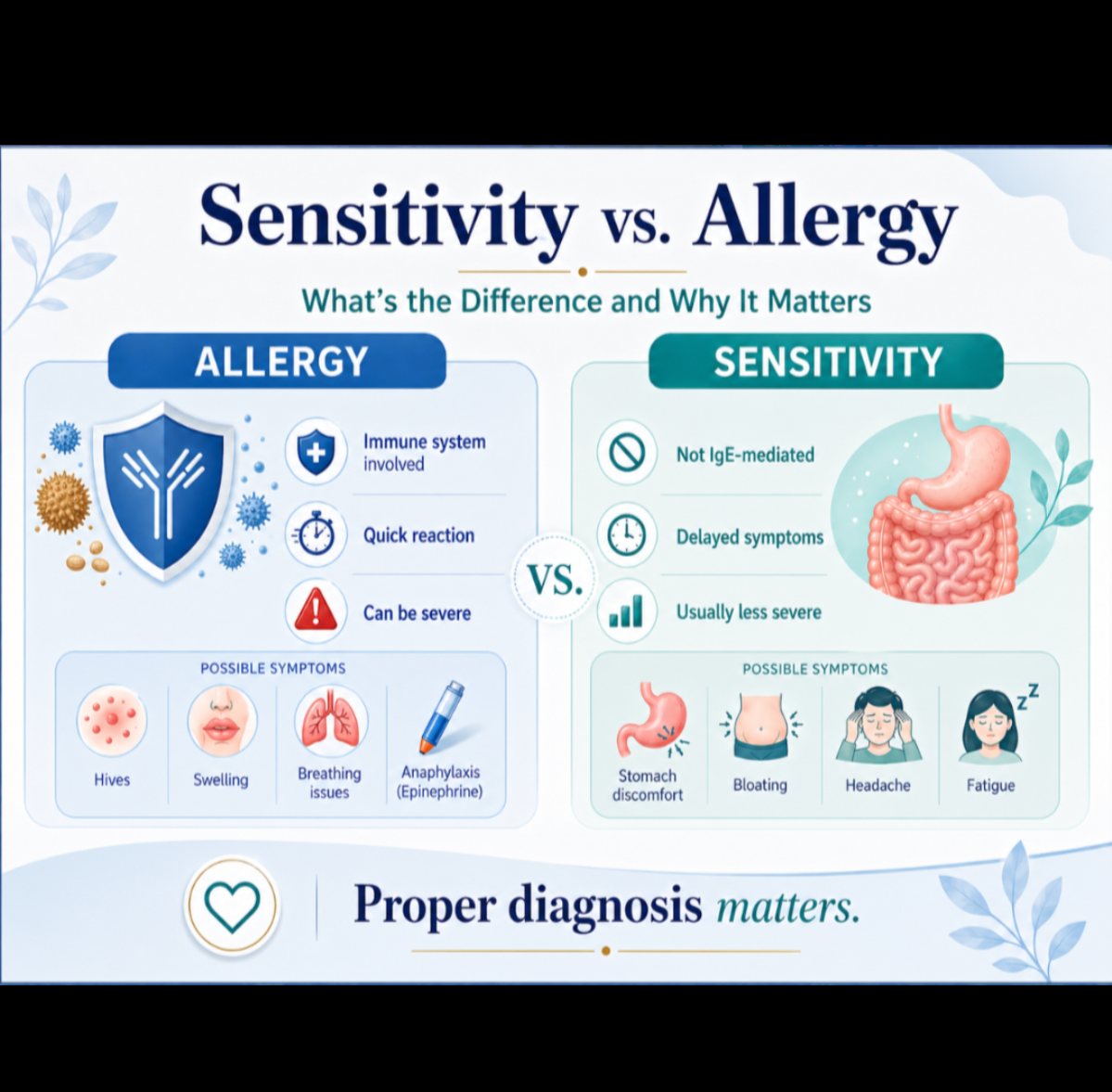
Many people use the words allergy and sensitivity as if they mean the same thing. Medically, they are different.
Knowing the difference matters because it can affect your diagnosis, treatment plan, and safety. A true allergy may carry a risk of serious reaction, while a sensitivity usually causes discomfort but is not typically life-threatening.
What Is an Allergy?
An allergy involves the immune system.
When someone has an allergy, their immune system mistakenly identifies a normally harmless substance as a threat. This can trigger the production of Immunoglobulin E , also known as IgE antibodies .
Allergic reactions usually happen quickly, often within minutes to a few hours after exposure.
Common Allergy Triggers
Common allergy triggers may include:
- Peanuts and tree nuts
- Shellfish
- Milk, egg, soy, and wheat
- Insect stings
- Certain medications
- Environmental allergens such as pollen, dust mites, and pets
Allergy Symptoms May Include
Symptoms of an allergic reaction can include:
- Hives
- Swelling of the lips, face, tongue, or throat
- Wheezing or shortness of breath
- Vomiting
- Anaphylaxis
Because allergic reactions can sometimes be severe, proper diagnosis is important. Some patients may also need an emergency plan, including carrying an epinephrine auto-injector.
What Is a Sensitivity?
A sensitivity is different from an allergy.
Sensitivities usually do not involve IgE antibodies or the same immune pathway as a true allergy. They are often slower to appear and may be related to digestion, intolerance, or how the body processes certain foods or substances.
Symptoms can occur hours or even days after exposure, which can make the trigger harder to identify.
Common Sensitivities
Common sensitivities may include:
- Lactose intolerance
- Non-celiac gluten sensitivity
- Sensitivity to food additives such as MSG or sulfites
- Caffeine sensitivity
Sensitivity Symptoms May Include
Sensitivity symptoms can include:
- Bloating
- Gas
- Diarrhea
- Headaches
- Fatigue
- Skin flushing
While these symptoms can be frustrating and uncomfortable, sensitivities are generally not life-threatening.
Allergy vs. Sensitivity: Key Differences
AllergySensitivityInvolves the immune system, often IgE-mediatedDoes not involve IgE in the same waySymptoms usually happen quicklySymptoms may be delayedCan be severe or life-threateningUsually mild to moderateMay carry a risk of anaphylaxisDoes not usually cause anaphylaxisCan often be assessed with allergy testingTesting is more limited
Why Proper Diagnosis Matters
Mislabeling a sensitivity as an allergy can lead to unnecessary food avoidance, stress, and confusion.
More importantly, missing a true allergy diagnosis can put someone at risk for a serious reaction.
At our clinic, we provide evidence-based allergy assessments to help determine whether symptoms are caused by:
- A true IgE-mediated allergy
- An intolerance or sensitivity
- Another medical condition
Getting the right diagnosis can help patients avoid unnecessary restrictions while also making sure true allergies are managed safely.
When to Consider Allergy Testing
You may want to book an allergy consultation if you experience:
- Immediate symptoms after eating
- Hives or swelling
- Breathing symptoms
- Reactions to insect stings or medications
- Unclear food-related reactions
- Symptoms that are affecting your quality of life
Bottom Line
Allergies and sensitivities are not the same.
An allergy involves the immune system and can sometimes be serious or life-threatening. A sensitivity is usually a non-IgE reaction that may cause discomfort but does not typically carry the same risk.
If you are unsure whether your symptoms are caused by an allergy or a sensitivity, an allergy assessment can help provide clarity and peace of mind.
Contact our clinic today to schedule an allergy assessment and get personalized answers about your symptoms.