 Dandelion
 Blog
Why Do Allergies Cause Dark Circles Under the Eyes?
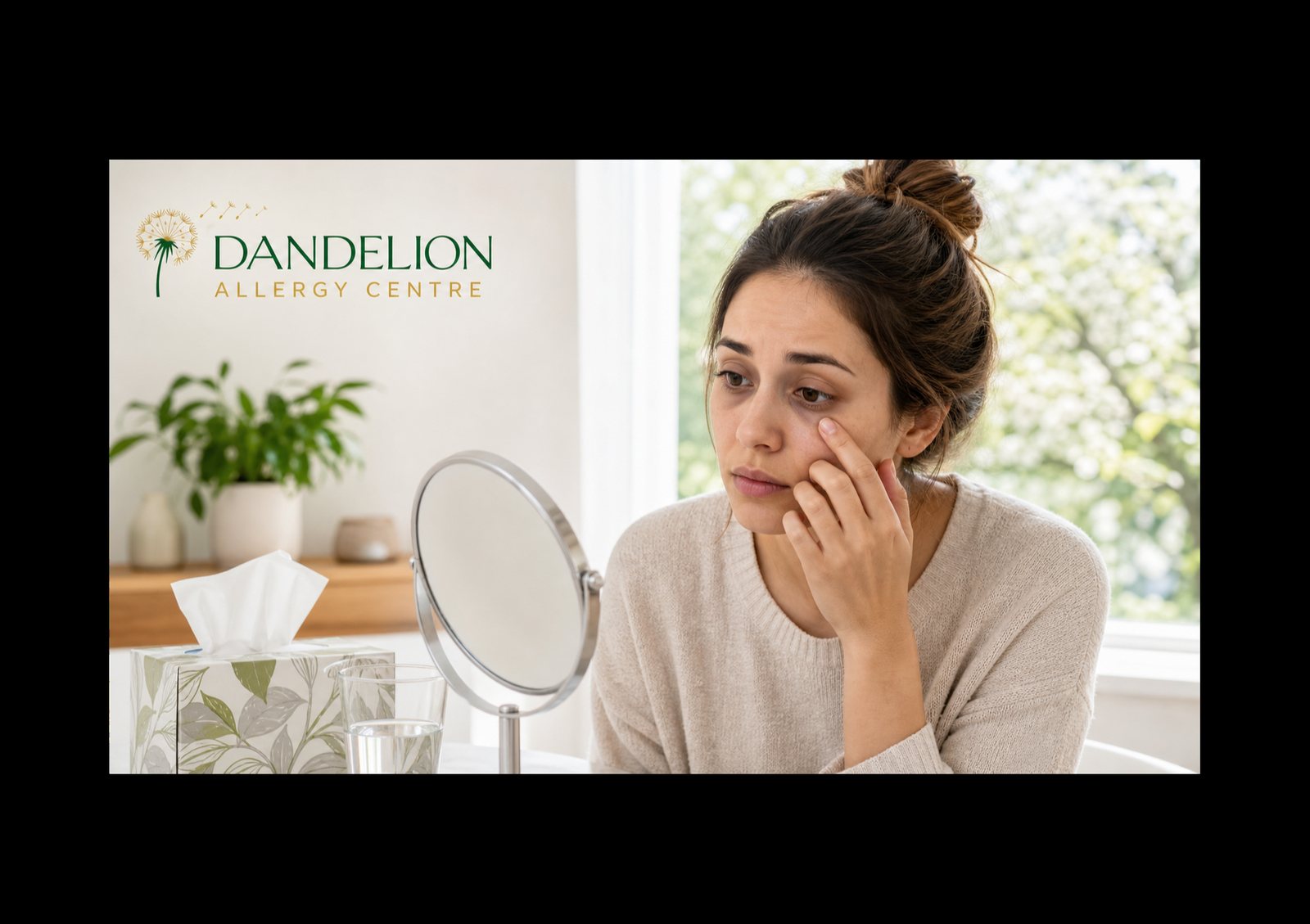
Many people assume dark circles under the eyes are caused by a lack of sleep. While tiredness can contribute, allergies are another common cause.
If the darker areas under your eyes worsen during allergy season, they may be what doctors call allergic shiners . They can affect both children and adults.
What Are Allergic Shiners?
Allergic shiners are dark, bluish or purplish circles that develop beneath the eyes. They are caused by nasal congestion and inflammation from allergies.
When your nose becomes congested, blood flow around the eyes can slow down. The small veins beneath the thin skin under your eyes become more noticeable, creating the appearance of dark circles.
Common Allergy Triggers
Several allergens can cause congestion and dark circles, including:
- Tree, grass and ragweed pollen
- Dust mites
- Pet dander
- Mould
- Smoke and air pollution
People with itchy or watery eyes may also rub them frequently. This can irritate the delicate skin around the eyes and make the circles appear darker.
Other Symptoms
Allergy-related dark circles may occur with:
- Sneezing
- A stuffy or runny nose
- Itchy or watery eyes
- Post-nasal drip
- Poor sleep caused by congestion
- Tiredness
Congestion can affect sleep quality, making you feel tired and causing the circles to appear more noticeable.
How Can You Reduce Allergy-Related Dark Circles?
Treating the underlying allergy is often the best approach.
Avoid Allergy Triggers
Keep windows closed when pollen levels are high. Shower and change your clothes after spending time outdoors. Wash bedding regularly and consider allergen-proof covers if dust mites are a problem.
Use Allergy Medication as Directed
Antihistamines and nasal sprays may help reduce inflammation and congestion. Allergy eye drops may help relieve itchy eyes.
Speak with your doctor or pharmacist about which treatment is right for you.
Avoid Rubbing Your Eyes
Frequent rubbing can irritate the skin and make dark circles more noticeable.
Get Enough Sleep and Stay Hydrated
Good sleep and proper hydration may help improve the appearance of the skin around your eyes.
Consider Allergy Testing
If your symptoms continue or return every year, allergy testing may help identify what is causing them.
When Should You See an Allergist?
Consider speaking with an allergist if:
- Your symptoms return during certain seasons
- Over-the-counter treatments are not helping
- You have ongoing nasal congestion
- Your symptoms interfere with sleep, work or school
- You are unsure whether allergies are causing your symptoms
An allergist can help identify your triggers and discuss treatment options.
The Bottom Line
Dark circles under the eyes do not always mean you need more sleep. Allergies and nasal congestion may be the cause.
Treating your allergies may help improve sneezing, congestion and itchy eyes. It may also help reduce those stubborn dark circles.
If allergies are affecting your daily life, the team at Dandelion Allergy Centre can help.